
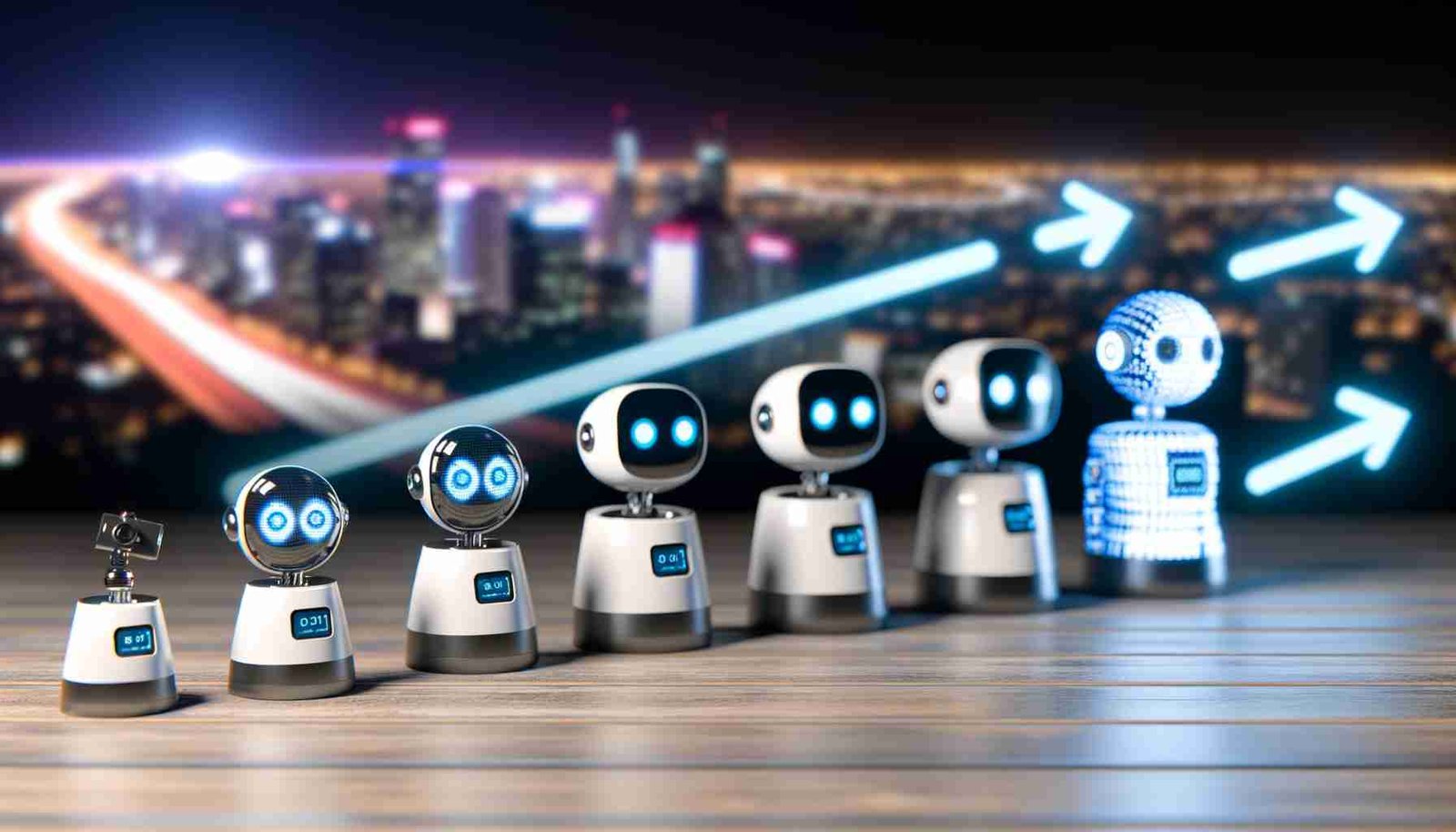
The Evolution of AI Agents: From Chatbots to Autonomous AI Systems
Estimated reading time: 7 minutes
Key Takeaways
- AI agents have evolved from simple chatbots to complex autonomous systems.
- Key developments in natural language processing and machine learning drive this evolution.
- Chatbots significantly improve customer service through 24/7 availability.
- Autonomous AI systems operate independently and are becoming integral in various industries.
- The future of AI agents points toward greater contextual understanding and personalization.
Table of Contents
Introduction to AI Agents Evolution
AI agents have come a long way in their journey from simple chatbots to sophisticated autonomous AI systems. AI agents evolution refers to the progression of software systems that perform tasks either independently or through engaging interactions with users.
These agents play a significant role in today’s technology landscape. They enhance efficiency by automating routine tasks and improving user experience through personalized interactions. As a result, businesses and individuals alike have benefited greatly from the deployment of AI agents across various domains.
Initially, AI agents were merely rule-based systems with limited capabilities. Over the years, however, they have transformed into complex entities capable of learning and adapting through advanced algorithms, machine learning, and natural language processing.
The History of AI Agents
The concept of AI dates back to the mid-20th century when thinkers like Alan Turing began exploring the idea of machine intelligence. Turing’s groundbreaking work laid the foundation for future developments that would eventually give rise to what we now know as AI agents evolution.
Early Chatbots
The first iterations of chatbots emerged in the 1960s with programs like ELIZA and ALICE. These early chatbots were primarily rule-based and designed to mimic conversation. However, they had significant limitations, particularly in understanding context and delivering meaningful responses.
- ELIZA: Designed to emulate a therapist, ELIZA could reflect users’ statements back to them but understood little about the content.
- ALICE: Created to enhance the conversational aspect, ALICE improved upon ELIZA’s approach but still struggled with context and coherence in discussions.
These limitations highlighted the need for more sophisticated models to improve user interaction.
Breakthroughs in AI Agent Development
Milestones in AI agent development revolved around enhancements in natural language processing (NLP) and machine learning. These breakthroughs allowed for deeper understanding and contextual interpretation, enabling the creation of more advanced chatbots and AI systems.
- Natural Language Processing: Techniques in NLP paved the way for machines to understand and generate human language, a crucial factor in transforming common chatbots.
- Machine Learning: As machine learning evolved, AI agents began to learn from individual interactions, continuously improving their accuracy and responsiveness.
These developments ultimately led to modern applications in everyday technologies—evident in various domains, from customer service to healthcare. For more insights, visit PrimoStats.
The Role of Chatbots in the Evolution of AI Agents
Chatbots have been pivotal in the evolution of AI agents, serving as the bridge between simplistic interactions and advanced machine learning capabilities. Today’s advanced chatbots utilize AI-driven technology to learn from conversations and provide more relevant responses.
How Chatbots Work
The operation of chatbots can broadly be divided into two categories:
- Rule-Based Systems: These chatbots follow predefined scripts and respond based on specific keywords. While useful for straightforward queries, these systems lack flexibility and adaptability.
- AI-Driven Chatbots: Such chatbots utilize artificial intelligence to analyze conversation patterns and improve their responses over time, learning from each interaction.
Impact on Customer Service
The deployment of chatbots has significantly improved customer service in many organizations. The benefits include:
- Improved User Engagement: Chatbots offer 24/7 assistance, answering queries promptly and efficiently.
- Operational Efficiency: By handling routine inquiries, chatbots free up human agents to focus on more complex issues.
Examples of Successful Chatbots
Examples of successful implementations demonstrate the diverse functionalities and benefits of modern chatbots:
- GPT-3: An advanced AI model that generates human-like text, GPT-3 can engage in meaningful conversations and assist users across various applications.
- Major Company Implementations: Many companies, including Amazon and Facebook, have utilized chatbots in their customer service strategies. These implementations showcase the effectiveness of AI in improving customer engagement and satisfaction (source: Penfriend AI).
Advancements in Autonomous AI Systems
What Are Autonomous AI Systems?
Autonomous AI systems refer to intelligent agents that can operate independently without human intervention. Unlike traditional AI agents that rely on explicit programming, autonomous AI systems can navigate complex environments, make decisions, and take actions based on real-time data.
Enabling Technologies for Autonomy
Key technologies and frameworks have enabled the development of autonomous AI:
- Reinforcement Learning: This approach allows AI agents to learn through trial and error, optimizing their strategies based on feedback from their environment.
- Robotics: Combines AI with physical robots, allowing for real-world applications like autonomous vehicles and robotic assistants.
Use Cases in Various Industries
The transformative potential of autonomous AI systems can be seen across various sectors:
- Healthcare: AI-powered robots can assist in surgeries, providing precise inputs that enhance surgical outcomes.
- Automotive: Self-driving cars utilize advanced AI technologies to navigate safely and efficiently without human oversight.
Academic perspectives emphasize the significant impact these advancements are making in respective fields (source: Google Scholar).
Comparison Between Chatbots and Autonomous AI Systems
While both chatbots and autonomous AI systems serve distinct purposes, they share foundational similarities rooted in machine learning techniques. Below is a comparison based on their operational features:
Key Differences
- Operational Autonomy: Autonomous AI systems function independently, while chatbots typically rely on human input.
- Complexity: Autonomous AI systems are more complex and can process more extensive datasets compared to chatbots.
- Level of Learning: Autonomous AI systems often utilize advanced learning methods, adapting in real-time, while traditional chatbots may have limited learning parameters.
Similarities
Despite their differences, both chatbots and autonomous AI systems utilize machine learning principles. They depend on data to enhance their understanding and responsiveness.
The Evolving Landscape
The ongoing development in AI technology indicates a trend: chatbots are evolving into more advanced AI agents. As natural language processing improves, we may witness chatbots adopting more features typical of autonomous systems.
Future of AI Agents Evolution
Predicting Future Stages of AI Technology
The next stages in AI agents evolution will likely focus on advancements in natural language processing and machine learning architectures. Anticipated developments may include:
- Contextual Understanding: Enhanced algorithms capable of understanding nuance and context more effectively than current systems.
- Adaptive Learning: AI agents that can seamlessly learn from user behavior and preferences, enabling further personalization.
Impact on Society and Businesses
These advancements will significantly impact our day-to-day lives, leading to enhanced customer experiences and innovative service models in various sectors such as e-commerce and healthcare.
Ethical Considerations
Moving forward, developers face critical ethical challenges. These include:
- Bias in AI Algorithms: Ensuring that AI systems are equitable and free from bias is paramount, demanding rigorous testing and validation.
- Importance of Transparency: Developers must prioritize transparency in AI processes to foster trust and accountability.
For a deeper exploration of these ethical concerns, refer to discussions from the Pew Research Center.
Conclusion
The AI agents evolution journey has showcased a remarkable transformation from simple chatbots to sophisticated autonomous systems. These advancements have significantly improved efficiency and user experiences. As AI continues to evolve, its applications will expand, creating new possibilities in technology and customer interactions.
For those intrigued by the topic, further reading is encouraged. Explore industry publications and resources to understand better the future of AI and its impending impact on our society. With the ever-increasing advancements in technology, the future of AI agents looks promising and transformative.
In conclusion, as we explore the future of AI, we must remain mindful of the responsibilities that come with such powerful technology. Together, we can shape an intelligent and ethical landscape for future generations.
Frequently Asked Questions
What are AI agents?
AI agents are software systems designed to perform tasks by interacting with users, which can operate either independently or through user engagement.
How do chatbots improve customer service?
Chatbots provide 24/7 assistance, allowing for prompt responses to customer inquiries and freeing up human agents to focus on more complex problems.
What differentiates autonomous AI systems from chatbots?
Autonomous AI systems operate independently without human intervention, while chatbots typically require user input to function.
About Us
Now Technology Systems is a full-service digital solutions provider specializing in web design, WordPress support, WooCommerce development, and search engine optimization (SEO). We are committed to helping businesses build a strong online presence, drive sustainable growth, and deliver an exceptional user experience.
By leveraging modern technologies and data-driven strategies, we empower our clients to stay ahead in a competitive online market.
Our Core Services:
View Our Previous 20 Posts
- Essential Features Every Successful Sports Therapy Website Needs
- Understanding Backlinks: Their Role in Boosting Your Website
- The Role of AI Agents in Personalized Marketing Strategies
- Essential Features Every Successful Wedding Planner Website Needs
- Demystifying Google Stacking for Better SEO Results
- How AI Agents Are Revolutionizing E-commerce Customer Service
- Essential Features Every Car Wash Website Must Include
- Unraveling the Secrets of CTR Manipulation Techniques
- The Benefits of Using Video Content for SEO
- Essential Features Every Makeup Artist Website Must Include
- A Beginner’s Guide to Understanding Cloud Stacking Concepts
- How to Optimize Your Website for Image Search
- Essential Features for Engaging Specialty Wine Shop Websites
- Boost Your Click-Through Rate with These Simple Strategies
- The Impact of User-Generated Content on SEO
- Essential Features for Successful Furniture Store Websites
- How to Use Competitor Analysis to Improve Your SEO Strategy
- Boost Your CTR with These Simple Manipulation Strategies
- The Role of Content Freshness in SEO Rankings
- Essential Features Every Car Dealership Website Needs Today