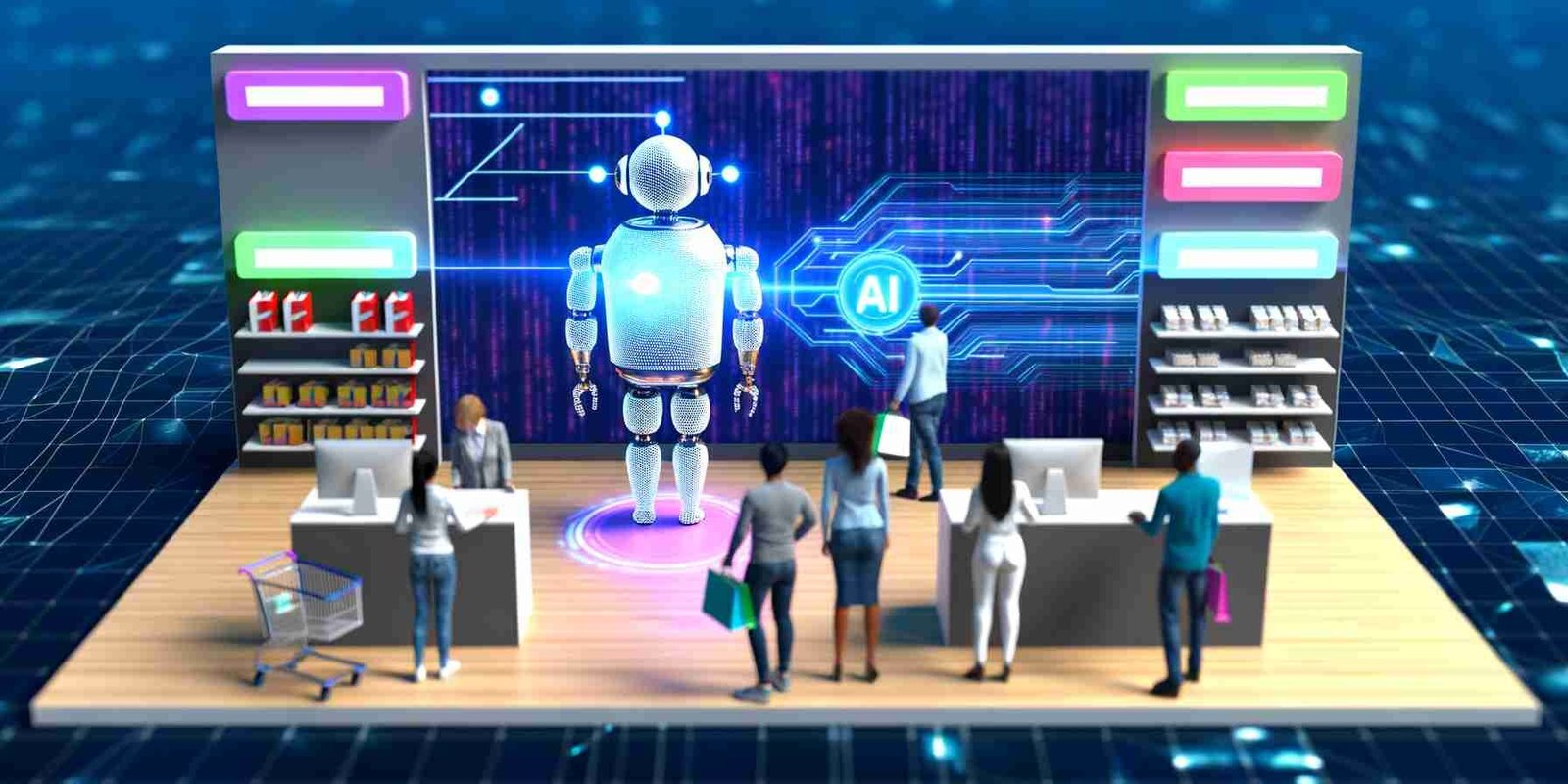
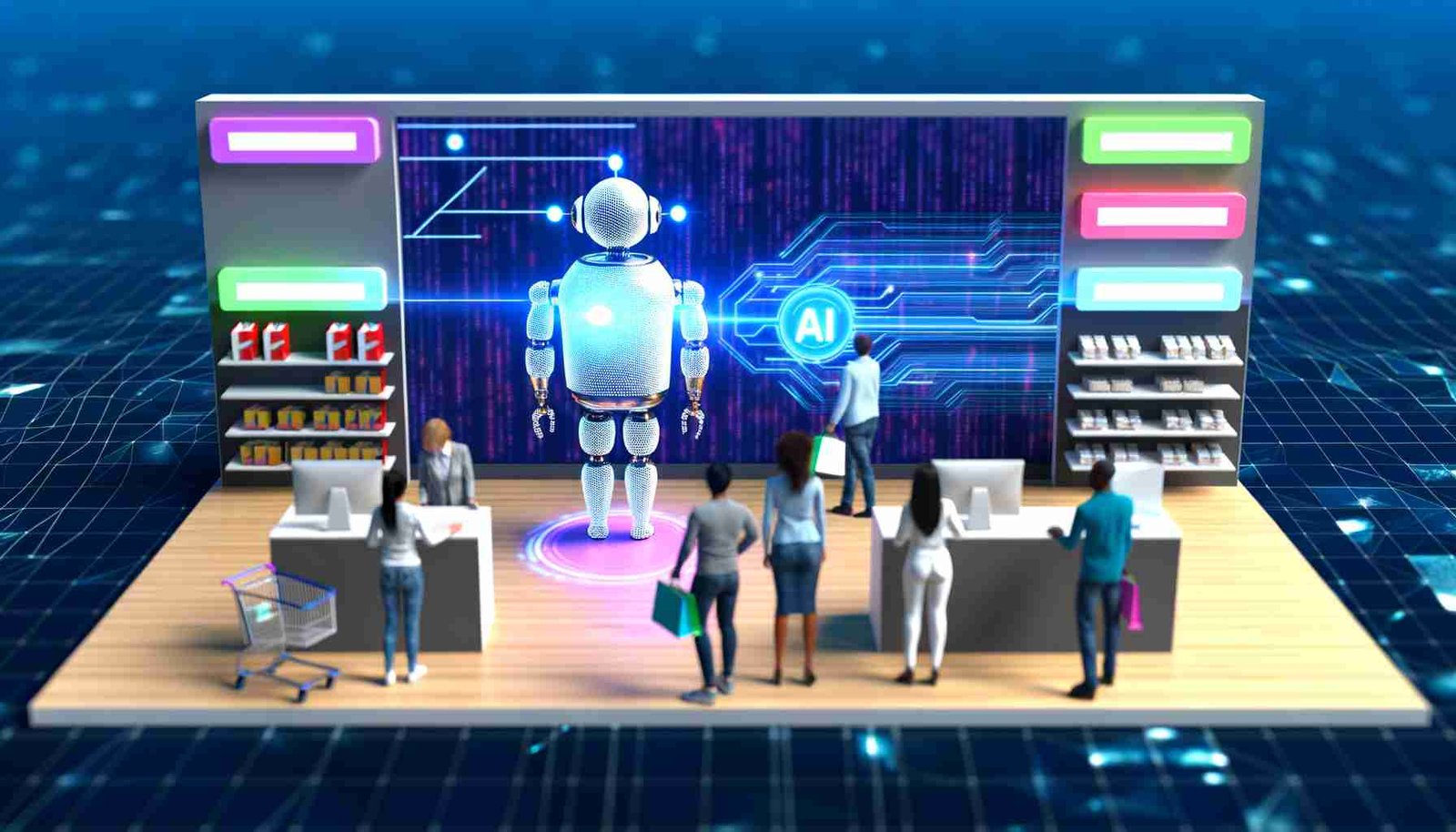
The Role of AI Agents in E-Commerce: Transforming Customer Service Automation
Estimated reading time: 7 minutes
Key Takeaways
- AI agents enhance efficiency in e-commerce by automating customer service tasks.
- They provide immediate responses, improving customer satisfaction and retention.
- Automation of routine tasks reduces operational costs for businesses.
- Maintaining a balance between AI automation and human interaction is crucial.
Table of contents
Introduction to AI Agents in E-Commerce
AI agents are software programs designed with artificial intelligence that can perform a range of tasks or services for users, especially in the e-commerce sector. These intelligent systems are programmed to interact with customers in real-time, assisting them with product searches, answering inquiries, and facilitating transactions.
The rise of customer service automation cannot be overlooked. Efficient and scalable interactions with customers not only save time but also enhance customer satisfaction and loyalty. Automating customer interactions enables businesses to focus on core areas while still providing support, significantly improving customer retention rates.
Benefits of AI Agents in E-Commerce
Improved Response Times for Customer Inquiries
One of the most significant advantages of AI agents is their ability to respond to customer inquiries within seconds. Traditional customer service can lead to long waiting times, frustrating users and potentially driving them away. AI agents eliminate this delay by providing immediate responses, which boosts the overall customer service automation process.
- Instant replies to frequently asked questions
- Efficient issue resolution
- Enhanced user experience
With these quick interactions, customers feel valued, building a strong brand image and fostering loyalty.
24/7 Availability and Enhanced Customer Experiences
Another remarkable feature of AI agents is their 24/7 availability. Unlike human agents, AI can provide support at any hour, which is crucial in today’s fast-paced shopping environment. This constant availability allows customers to receive assistance whenever they need it, significantly improving their experience.
- Round-the-clock service
- Support across different time zones
- Increased customer engagement
By ensuring that help is always accessible, e-commerce businesses can cater to the global market effectively.
Cost Reduction Through Automation of Repetitive Tasks
Implementing customer service automation via AI agents can lead to substantial cost reductions. AI can handle mundane, repetitive tasks that would otherwise require human intervention. This not only streamlines operations but also allows human agents to focus on more complex and nuanced issues that require a human touch.
- Reduction in staffing costs
- Low operational expenses for routine tasks
- Enhanced productivity among human agents
This restructuring in the workforce can reinvigorate a company’s approach to customer service.
How AI Agents Work in E-Commerce
Overview of AI Technologies Used
AI agents operate on technologies such as chatbots, machine learning, and natural language processing (NLP). These technologies form the backbone of AI functionality within e-commerce platforms.
- Chatbots interact using text or voice, answering customers’ questions directly.
- Machine learning enables AI agents to learn from past interactions, improving their responses over time.
- Natural language processing allows AI to understand and interpret customer inquiries more effectively.
These technologies collaborate to create an efficient customer service layer that enhances user experience while streamlining operations.
Explanation of the Algorithms Behind AI Customer Service Agents
AI customer service agents rely on various algorithms, including decision trees and neural networks. These algorithms are vital for enhancing AI capabilities, allowing agents to understand and respond to the diverse needs of customers.
- Decision trees provide a structured approach to answering queries based on predefined paths.
- Neural networks mimic human brain function, enabling the AI to process complex inputs and learn from data.
These fundamental AI algorithms enhance the efficacy of AI agents, ensuring they deliver accurate and satisfactory responses.
Use Cases of AI Agents in E-Commerce
Examples of Businesses Successfully Implementing AI Agents
Numerous e-commerce companies have successfully integrated AI agents into their operations, demonstrating their effectiveness in customer service automation. For instance:
- Amazon utilizes AI agents for product recommendations and customer interactions, optimizing the customer journey.
- Zappos employs AI chatbots to enhance user experience through personalized service, efficiently resolving customer queries.
These case studies showcase how companies can improve customer satisfaction and streamline operations through intelligent automation systems.
Different Applications
AI agents have various applications in e-commerce, showcasing their flexibility and functionality. Notable applications include:
- Live chat support, which allows customers to interact with AI in real-time for immediate assistance.
- Personalized recommendations, leveraging customer behavior data to suggest products tailored to individual preferences.
- Order tracking systems, informing customers about the status of their purchases without needing human interaction.
Each application contributes to a holistic approach to customer service, fostering better user engagement.
Challenges Faced by E-Commerce Companies When Using AI Agents
Common Pitfalls and How to Avoid Them
Despite the numerous advantages of using AI agents, companies may face challenges like poor implementation, which can lead to customer dissatisfaction. Common pitfalls include:
- Lack of proper training data, resulting in ineffective AI responses.
- Underestimating the need for human input, causing frustration among customers expecting personalized service.
To avoid these issues, companies should:
- Invest in comprehensive training data collection.
- Regularly assess AI performance and customer feedback.
- Incorporate human oversight to ensure customer satisfaction is maintained.
Ensuring a Balance Between Automation and Human Touch
While AI agents offer efficient responses, maintaining a human touch in customer service is vital. Relying solely on automation can alienate customers, making them feel undervalued. Balancing AI with human assistance means:
- Providing customers with options to connect with a human agent when needed.
- Training AI agents to recognize when a situation requires a human touch.
- Ensuring that interactions feel personal, even when automated responses are involved.
This balance guarantees that customers feel supported and valued, significantly enhancing their experience.
The Future of AI Agents in E-Commerce
Emerging Trends in Customer Service Automation
The future of customer service automation in e-commerce looks promising, with emerging trends set to shape the sector. These trends include:
- Emotional AI, which allows agents to gauge customer emotions and tailor responses accordingly.
- Advanced sentiment analysis, enabling AI to understand customer tone and adapt its responses in real time.
- Predictive behavior capabilities, allowing companies to anticipate customer needs based on historical data.
These innovations will redefine how customers interact with brands, making process automations even more intuitive.
Predictions for AI Developments in the Industry
Looking ahead, several predictions suggest significant advancements in AI agents:
- More sophisticated chatbot interfaces that provide richer, more interactive experiences.
- Deeper integration with IoT devices, allowing seamless communication between systems and easier access to customer information.
These developments are poised to transform the e-commerce landscape, making it more responsive and personable.
Conclusion
In conclusion, the adoption of AI agents within e-commerce presents numerous advantages, including improved efficiency, significant cost savings, and enhanced customer experiences. These intelligent systems effectively revolutionize customer service automation, leading to better customer relations and satisfaction.
E-commerce businesses that embrace automation stand to gain a competitive edge in today’s rapidly evolving market landscape. As technology continues to advance, integrating AI agents into customer service frameworks is not just beneficial; it’s essential for future growth.
Frequently Asked Questions
What is an AI agent?
An AI agent is a software program that utilizes artificial intelligence to perform tasks and interact with users, especially in environments like e-commerce.
How do AI agents improve customer service?
AI agents improve customer service by providing immediate responses, handling repetitive tasks, and being available 24/7, leading to enhanced customer satisfaction.
What are the challenges of using AI agents?
Challenges include potential poor implementation, lack of training data, and the need to maintain a human touch in customer interactions.
About Us
Now Technology Systems is a full-service digital solutions provider specializing in web design, WordPress support, WooCommerce development, and search engine optimization (SEO). We are committed to helping businesses build a strong online presence and drive sustainable growth.
By leveraging modern technologies and data-driven strategies, we empower our clients to stay ahead in a competitive online market. Explore our services today to transform your business.
View Our Previous 20 Posts
- Essential Features Every Car Wash Website Must Include
- Unraveling the Secrets of CTR Manipulation Techniques
- The Benefits of Using Video Content for SEO
- Essential Features Every Makeup Artist Website Must Include
- A Beginner’s Guide to Understanding Cloud Stacking Concepts
- How to Optimize Your Website for Image Search
- Essential Features for Engaging Specialty Wine Shop Websites
- Boost Your Click-Through Rate with These Simple Strategies
- The Impact of User-Generated Content on SEO
- Essential Features for Successful Furniture Store Websites
- How to Use Competitor Analysis to Improve Your SEO Strategy
- Boost Your CTR with These Simple Manipulation Strategies
- The Role of Content Freshness in SEO Rankings
- Essential Features Every Car Dealership Website Needs Today
- Essential Tools to Boost Your CTR Manipulation Strategies
- How to Optimize Your Website's URL Structure for SEO
- Essential Features Every Photography Studio Website Needs
- Understanding the Importance of Editorial Links in SEO
- The Importance of Local Citations for Local SEO
- Essential Features Every Barbershop Website Must Include