
Table of Contents
- What’s the Buzz About Google AI Search?
- Understanding Google AI Search
- Why Are Publishers Worried?
- Reduced Traffic to Publisher Sites
- Content Ownership and Revenue Loss
- How Significant Is the Threat?
- The All-Powerful SERP
- Monetization Shifts
- Strategies Publishers Can Adopt
- Real-life Success Stories
- The New York Times
- Buzzfeed
- Wrapping It Up
“`html
What’s the Buzz About Google AI Search?
Hey there, curious readers! Have you ever wondered why your favorite online magazine or news site is raising red flags about Google’s latest innovation? You might have come across headlines like “Google AI Search: A Threat to Publishers’ Website Traffic.” Let’s dive deep into what’s happening here, shall we?
Understanding Google AI Search
First things first, what on earth is Google AI Search? Simply put, it’s an advanced search technique using artificial intelligence to deliver more precise and relevant search results. The goal? To give users the information they need faster than ever before. Sounds great, right?
Think of it as a well-informed librarian who knows exactly where to find the book you need, instead of pointing you towards a stack of books to sift through. That’s Google AI Search for you.
Why Are Publishers Worried?
Now, you might be asking, “Why would this be an issue for publishers?” Let’s look at the key concerns.
Reduced Traffic to Publisher Sites
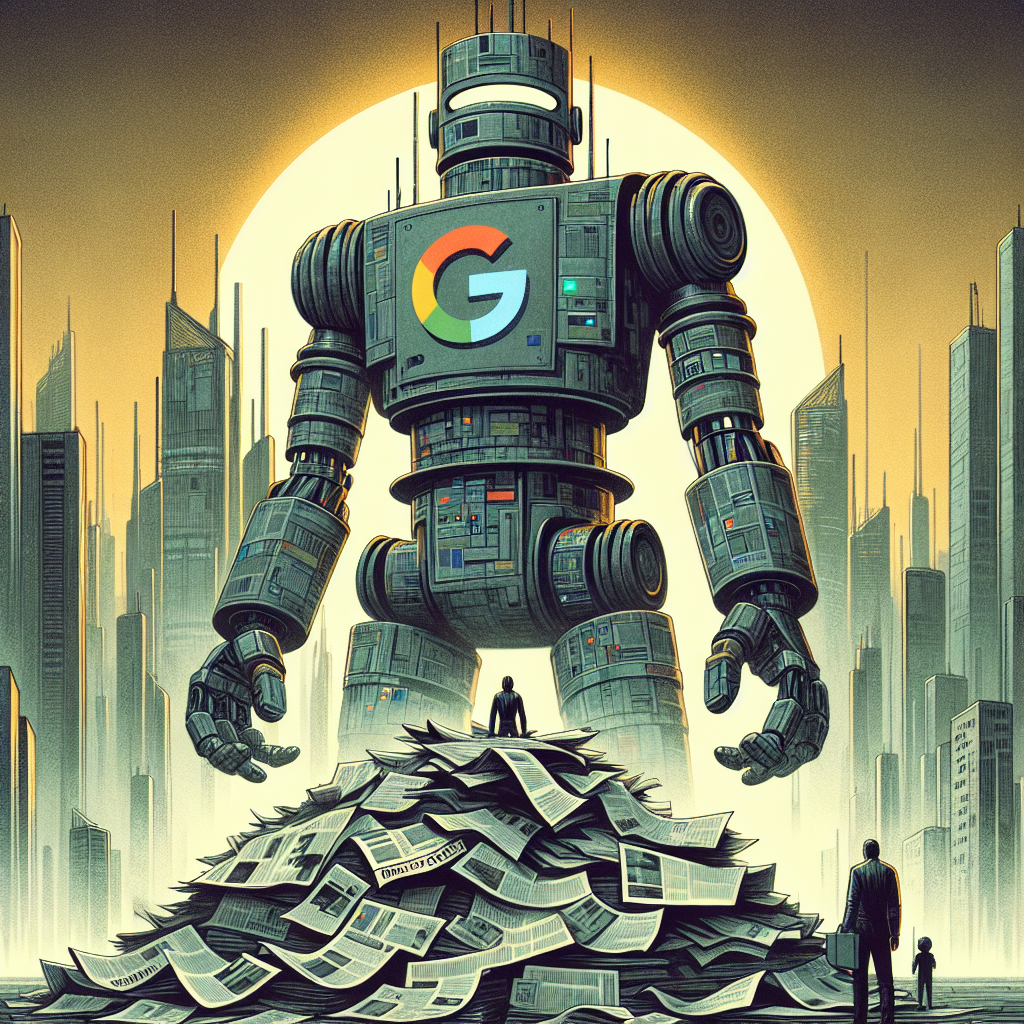
One of the significant points of contention is traffic. Historically, websites have relied heavily on clicks from search engine results to drive traffic. These visits are often monetized through advertising or subscriptions. But with AI-driven search giving people quicker, more precise answers, users might not need to click through to the actual publisher websites.
*Imagine if you could get an entire recipe just from the search result snippet! Yum, but bad news for food blogs, right?*
Content Ownership and Revenue Loss
Publishers also fear they might lose the ownership of their content. Google could, theoretically, fetch the information from various sources and present it as a cohesive answer, leaving little incentive for users to visit the original publishers’ websites. This means the original content creators may lose out on not just traffic but also potential revenue from ads or subscriptions.
How Significant Is the Threat?
It’s easy to get caught up in the doom and gloom, but let’s balance the perspective. How serious is this potential threat?
The All-Powerful SERP
Google’s Search Engine Results Page (SERP) is evolving. With AI, featured snippets, knowledge panels, and rich results, users indeed get more information directly from the SERP. While this improves user experience, it can reduce click-through rates (CTR) to websites, impacting overall site traffic.
Monetization Shifts
Let’s consider the financial implications. For instance, advertising models that rely on high traffic volumes may find it challenging to maintain revenue streams. Publishers might need to consider alternative monetization models, such as premium content, memberships, or brand partnerships.
Strategies Publishers Can Adopt
Given the changing digital landscape, it’s vital for publishers to adapt. Here are some strategies that can help mitigate the impact of Google AI Search:
- Focus on Unique, High-quality Content: Creating exclusive, valuable content that can’t easily be summarised by AI can encourage more visitor engagement.
- Invest in SEO: Optimizing sites for SEO is still crucial. High rankings for long-tail keywords could result in higher click-through rates.
- Diversify Revenue Streams: Publishers could diversify revenue sources through memberships, online courses, and branded partnerships to reduce reliance on ad revenue.
- Engage with Your Audience: Building a loyal audience through newsletters, social media, and community engagement platforms can create a direct traffic stream.
- Leverage Data Analytics: Using advanced analytics to understand user behavior and preferences can help optimize content and monetization strategies.
Real-life Success Stories
To lighten things up, let’s look at some inspiring examples of publishers who’ve successfully navigated Google’s evolving landscape:
The New York Times
This iconic publication has effectively diversified its revenue by offering premium content and subscriptions. They’ve invested heavily in investigative journalism and unique long-form content that readers are willing to pay for.
Buzzfeed
Buzzfeed has mastered the art of social engagement, driving massive traffic through catchy, shareable content. Plus, their Tasty brand of videos gets viewers hooked within seconds!
Wrapping It Up
While Google AI Search presents some legitimate concerns for publishers, it is not an insurmountable issue. The landscape of digital content is ever-evolving, and adaptability is the key to surviving and thriving.
Publishers can remain relevant by focusing on creating unique, high-quality content, diversifying revenue streams, and fostering a direct connection with their audience. Remember, change is the only constant, and in the world of digital content, those who adapt will not just survive but flourish.
So, dear readers, what’s your take on this topic? Do you think Google AI Search is a boon or a bane for publishers? We’d love to hear your thoughts!
“`
Now Technology Systems offers comprehensive web solutions, including visually pleasing web design, expert WordPress support, seamless eCommerce solutions, and professional video production and editing.
We also specialise in WordPress website design, wooCommerce online store, WordPress support, Local SEO services, Video multi-language translation, subtitling, voice-over, Google Ads management, and fast managed web hosting to ensure your website is effective and easy to find.
Let Now Technology Systems boost your online impact and help you connect with your audience. #WordPressDesign #WebDesign #WordPressSupport #eCommerceSolutions #VideoProduction #SEOservices #GoogleAds #WebHosting