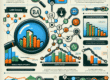

The Essential Connection Between UX and SEO for Effective Digital Marketing
Estimated reading time: 6 minutes
Key Takeaways
- UX design and SEO are interlinked, significantly impacting digital marketing success.
- A positive user experience decreases bounce rates and improves search engine rankings.
- Key elements like navigation, mobile responsiveness, and page speed are crucial for optimizing both UX and SEO.
- Measuring metrics such as bounce rate, session duration, and conversion rates helps in understanding the impact of UX on SEO.
Table of contents
Introduction to UX and SEO
In the digital landscape, understanding the synergy between UX design and SEO is essential for any brand aiming to engage its audience effectively. UX design is the process dedicated to enhancing user satisfaction. It focuses on improving the usability, accessibility, and overall enjoyment of interaction with a product, which is crucial for retaining visitors. On the other hand, SEO (Search Engine Optimization) aims to optimize website content, enabling it to rank higher in search engine results and thereby increase organic traffic.
The importance of both user experience and SEO in digital marketing cannot be overstated. They work hand-in-hand to improve user engagement and drive conversions. A well-designed user experience not only attracts visitors but also keeps them on the page longer, increasing the chances of converting them into customers.
The Relationship Between UX Design and SEO
Effective UX design directly influences SEO rankings. One of the main factors is bounce rate. When a website is user-friendly and enjoyable, visitors are less likely to leave quickly. Therefore, a lower bounce rate signals to search engines that the content is relevant and valuable, which can lead to better rankings.
Moreover, user experience plays a significant role in search engine algorithms. Major search engines, like Google, have evolved to prioritize websites that provide superior user experiences. They are increasingly factoring in elements like page load times, mobile responsiveness, and overall site navigation when determining search rankings.
Key Elements of UX Design That Enhance SEO
Website Navigation
Website navigation is a critical aspect of user engagement. Intuitive navigation allows users to find the information they need quickly. If visitors struggle to navigate a website, they are more likely to leave, which negatively affects SEO performance. Improved navigation can lower bounce rates and increase time spent on the site, two factors that search engines consider when ranking pages.
Mobile Responsiveness
Today, having a mobile-responsive design is non-negotiable. With over half of global web traffic originating from mobile devices, websites that aren’t optimized for mobile viewing risk losing a significant audience. Mobile responsiveness impacts both UX and SEO by ensuring that content is accessible and easy to interact with on all devices.
Page Speed
Page speed is another crucial factor influencing both user experience and SEO. Slow-loading pages frustrate users and lead to higher bounce rates, negatively impacting rankings. In contrast, sites that load quickly provide a smoother experience, encouraging users to stay longer and explore more content.
Strategies to Improve UX While Optimizing for SEO
Creating user-friendly content is vital for enhancing the website’s performance in search engines. Here are a few strategies:
- Use Headers and Bullet Points: Structuring content with clear headers and bullet points makes it more digestible. This not only enhances the user experience but also helps search engines understand content better.
- Incorporate CTAs: Strong, clear Calls to Action (CTAs) guide users toward desired actions, optimizing their journey through the website. Effective CTAs enhance engagement and contribute to improved conversion rates.
Effective Use of Visuals
Integrating visuals such as images, videos, and infographics can significantly boost user engagement. These elements break up text-heavy content and provide additional context, making the overall experience more engaging. Multimedia can hold visitors’ attention longer, further improving bounce rates.
Importance of CTAs
CTAs are essential in guiding user experience. Well-placed and clearly worded CTAs can direct users towards actions like signing up for newsletters or making purchases. This not only fosters user engagement but also enhances overall site performance by improving conversion rates.
Measuring the Impact of UX on SEO and User Engagement
To truly understand the connection between UX, SEO, and user engagement, it’s crucial to utilize the right tools. Tools like Google Analytics and SEMrush provide invaluable insights into how users interact with a website.
Key Metrics to Monitor
To effectively assess the impact of UX and SEO, consider monitoring the following key metrics:
- Bounce Rate: This indicates the percentage of visitors who leave the site after viewing only one page. A high bounce rate can signal poor user experience.
- Session Duration: Tracking how long users stay on your site can reveal how engaging your content is.
- Conversion Rates: This metric assesses how many visitors take the desired action, reflecting the effectiveness of both UX design and SEO strategies.
Conclusion
In conclusion, the intertwined nature of UX and SEO highlights that they are not isolated practices but rather complementary strategies essential for successful digital marketing. Prioritizing both can significantly enhance user engagement and overall site performance. By optimizing for both UX and SEO, brands can create a seamless interaction that not only satisfies the user but also attracts search engine rankings, leading to long-term success in the digital realm.
For anyone looking to improve their digital marketing strategy, merging user experience with SEO is not just beneficial—it’s essential. By taking actionable steps and focusing on effective strategies, businesses can unlock the full potential of their websites, resulting in happier users and higher conversion rates.
FAQ
What is the relationship between UX and SEO?
UX and SEO are interconnected, as a good user experience can lead to better SEO rankings. A website that is easy to navigate and loads quickly keeps visitors engaged, which in turn reduces bounce rates and signals search engines of its value.
How can I improve UX on my website?
Improving UX can be achieved through intuitive website navigation, optimizing for mobile devices, ensuring fast page load times, and creating engaging, clear content with effective CTAs.
What tools can I use to measure the impact of UX and SEO?
Tools like Google Analytics, SEMrush, and other user behavior tracking software can help assess key metrics such as bounce rate, session duration, and conversion rates.
About Us
Now Technology Systems is a full-service digital solutions provider specializing in web design, WordPress support, WooCommerce development, and search engine optimization (SEO). We are committed to helping businesses build a strong online presence, drive sustainable growth, and deliver an exceptional user experience.
By leveraging modern technologies and data-driven strategies, we empower our clients to stay ahead in a competitive online market. Discover how we can support your digital endeavors:
View Our Previous 20 Posts
- Essential Features Your Interior Decorating Website Must Have
- Boost Your Visibility with These Local SEO Strategies
- How to Optimize Your Website for Voice Search
- Essential Features Your Medical Spa Website Must Have
- Mastering Local SERP: Essential Insights for Businesses
- The Importance of Backlinks and How to Build Them
- Essential Features Every Horseback Riding School Website Needs
- Master Local SEO with These Simple Yet Effective Strategies
- How to Perform a Comprehensive SEO Audit of Your Website
- Essential Features for Successful Wedding Cake Bakery Websites
- Master Local SERP Authority to Boost Your Business Visibility
- The Benefits of Using a Content Delivery Network (CDN)
- Essential Features Every Stand-Up Comedy Website Should Have
- Master Local Searches with These Pro Tips and Strategies
- How to Integrate Social Media into Your Website Design
- Essential Features for Effective Landscape Design Websites
- Understanding SERP Position: Boost Your Search Rankings Today
- The Role of Whitespace in Modern Web Design
- Essential Features for Captivating Luxury Travel Agency Websites
- Master Your Google Local Listing for Ultimate Success